



Why summer is peak moving season in Nova Scotia
Nova Scotia's rental calendar follows the school year. Families try to move between June and August so kids can start September in a new school, and thousands of college and university students sign leases timed for September 1. That pressure ripples out from Halifax into surrounding communities.
It also lands on a market where few people move at all. CMHC's 2025 data showed the Halifax region had the lowest tenant turnover of the major Canadian cities it compared (Global News, June 2026). When fewer units open up, the ones that do go quickly in peak months, and renters often sign before they've had a chance to compare.
What changes when the rental market slows down
In practice, here is what renting in the off-season can get you:
- More choice: you can compare floor plans, floors and exposures instead of taking whatever is left.
- Time to decide: fewer competing applicants means less pressure to sign the same day you tour.
- Flexible move-in dates: landlords filling units mid-season are often more open to a start date that lines up with your current lease.
- Easier logistics: moving companies are typically less booked outside summer, so dates are easier to secure.
Winter is the honest test of an apartment
A July tour shows you the light and the layout. A January tour shows you how a building lives. In winter you can check for drafts around windows, how evenly units heat, how quickly the parking lot and walkways are cleared, and how much noise comes through from neighbours with the windows shut.
This is where how a building is built starts to matter. Brickline North is built with insulated concrete forms (ICF): concrete walls with continuous insulation on both sides, plus concrete floors and in-floor radiant heating. For renters, that means warm floors, steady temperatures from room to room, and far less sound travelling between units than in typical wood-frame apartments. Read more in ICF construction explained.
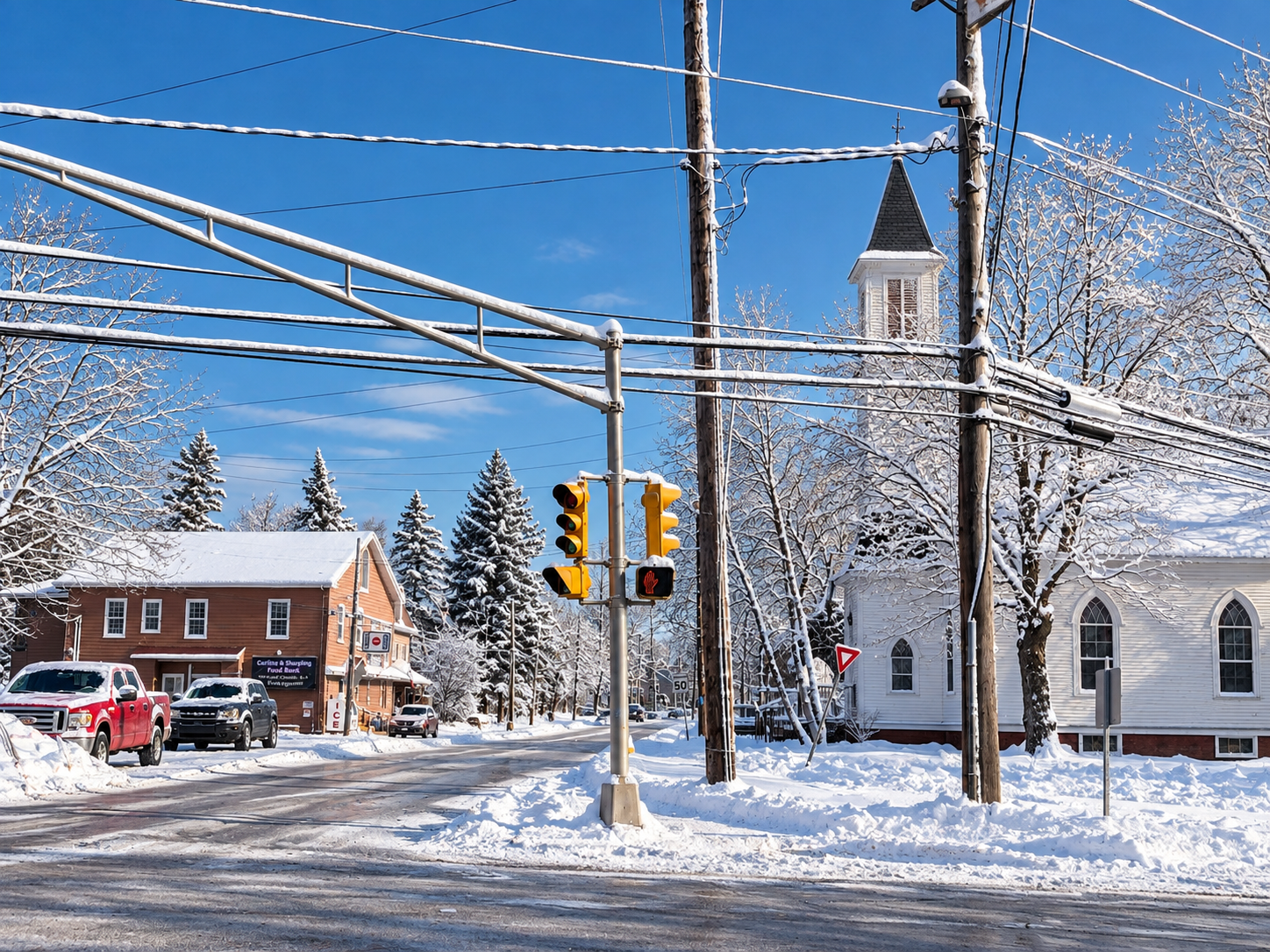
Staying in East Hants, with less to manage
For most East Hants renters, a move isn't about getting closer to the city. It's about staying where life already is (family, kids' schools, work, the hockey rink) while trading an older rental or a house for something easier to live in.
Winter is when that trade makes the most sense. Shovelling a driveway before work, chasing a landlord about a furnace, or watching a heating bill climb in an older, poorly insulated home all add up between December and March. A newer apartment takes most of that off your plate:
- Snow and maintenance are handled for you: no driveway, roof or furnace to worry about.
- Heat that works with the building: ICF walls and in-floor radiant heating keep units warm without space heaters or cold corners.
It's a common move for people downsizing from a house in Lantz or Elmsdale, for young adults moving out for the first time who want to stay near family, and for anyone tired of an older rental that never quite warms up.
Off-season moving checklist
- Check your notice period. Look at your current lease and the Nova Scotia Residential Tenancies Act rules. Year-to-year leases need more notice than month-to-month ones, so time your search around that date.
- Start looking 4–6 weeks ahead. Off-season units don't vanish in a day, but the best floor plans still go first.
- Tour in daylight, and after a snowfall if you can. You'll see how the lot, sidewalks and entrances are maintained.
- Ask what's included. Heat, hot water, parking and storage change your real monthly cost, especially in winter.
- Book movers with a backup date. Pick a weekday if you can, and keep a second day open in case of a storm.
Planning a fall or winter move in East Hants?
If you want a newer, warmer and quieter place to live without leaving the community you know, the off-season is a good time to look. Brickline North in Lantz offers ICF construction, in-floor radiant heat and concrete floors, from a builder that owns and manages its own buildings. See Brickline North floor plans or schedule a tour and see for yourself how warm and quiet the building stays in winter.
FAQs about renting in the off-season
What is the best time to rent an apartment in East Hants?
For most renters, October through March. Demand across Nova Scotia peaks in summer and around September 1 because of school-year moves. In the off-season, fewer people are competing for the same units, so you usually get more choice and more time to decide.
Is it hard to move in winter in Nova Scotia?
It takes more planning, not more money. Book movers with a backup date, protect your floors from slush, and have utilities connected before move-in day. Winter moves are often easier to schedule because movers are less busy.
Should I move from a house to an apartment before winter?
If snow clearing, heating costs or home repairs are wearing you down, fall is a good time to make the switch. Moving in October or November means you start winter in a warm, maintained building instead of dealing with another season of upkeep.
What should I look for when touring an apartment in winter?
Check for drafts around windows and doors, cold floors, and whether every room heats evenly. Look at how well the parking lot, walkways and entrances are cleared, and listen for noise from neighbours and hallways. Ask what heating costs to expect, and whether heat and hot water are included in the rent.
Are there new apartments for rent in East Hants?
Yes. Brickline North in Lantz is a new 77-unit apartment building from JETCO Properties, built with insulated concrete forms (ICF), concrete floors and in-floor radiant heating. JETCO builds, owns and manages the building, so East Hants renters can upgrade to a newer home without leaving the area.